The 100-Year-Old Teaching Method That’s Outperforming Modern Preschools (and Saving Money)
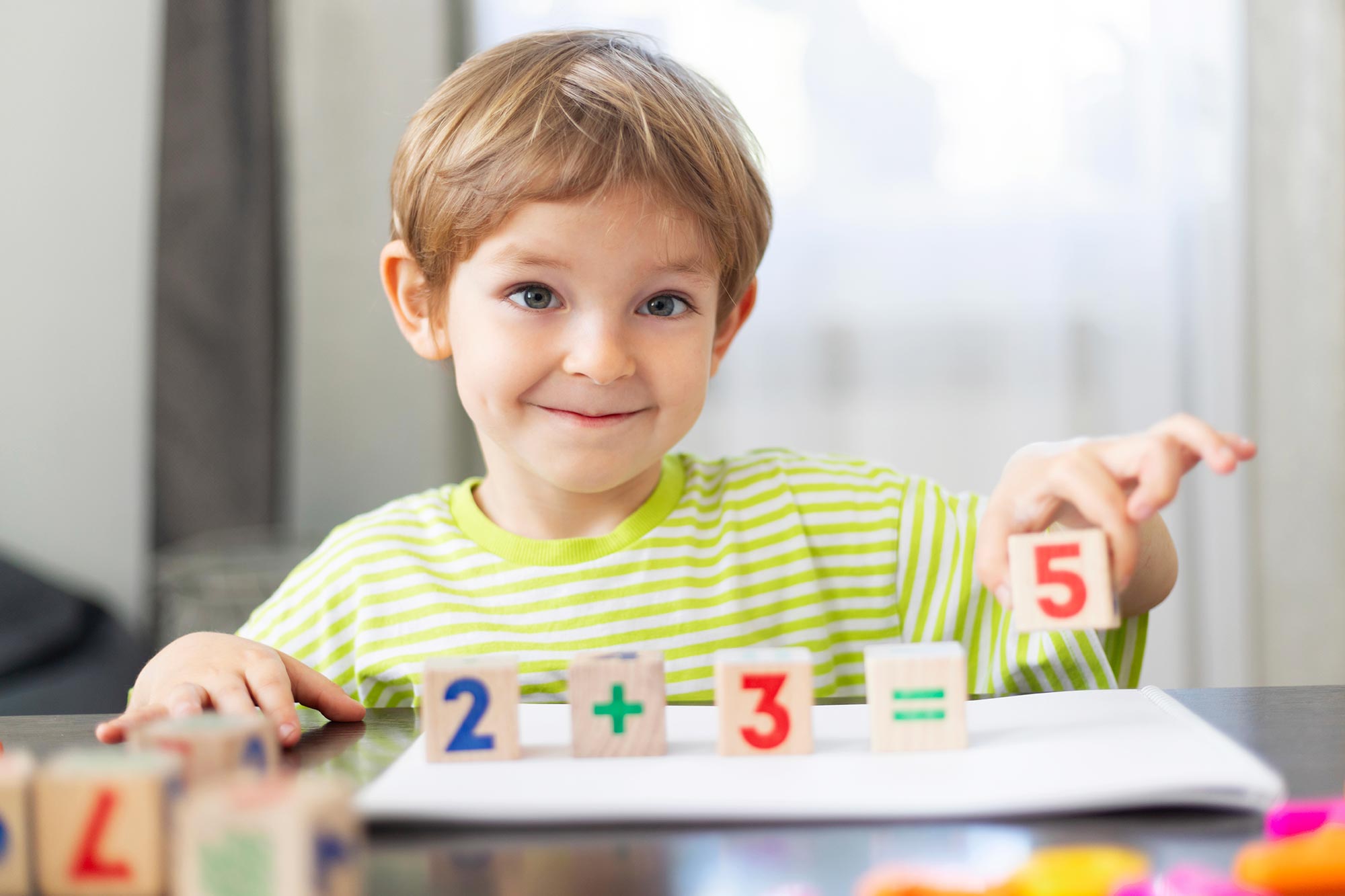
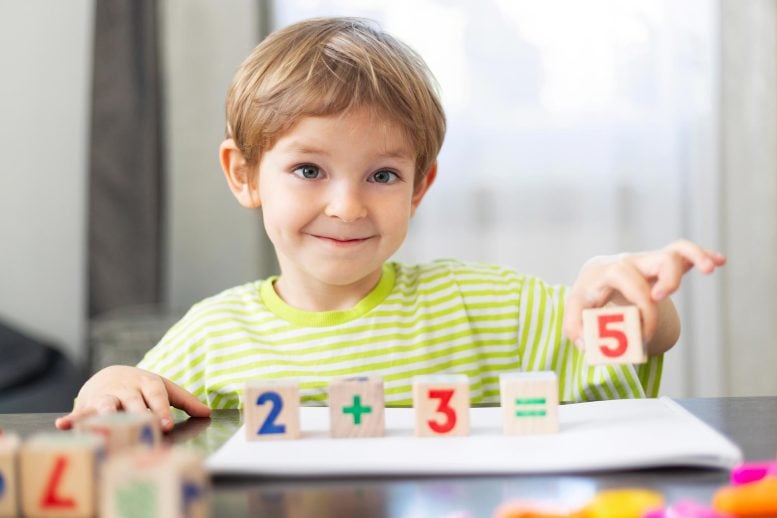
Public Montessori programs enhance early learning and reduce costs, confirming the enduring benefits of Montessori education in modern classrooms.
The first national randomized study of public Montessori preschool students revealed that by the end of kindergarten, participants demonstrated stronger long-term gains in reading, memory, and executive function than children from traditional preschools.
The findings are particularly relevant for policymakers, as the Montessori programs achieved these outcomes at significantly lower costs. The study, which followed 588 children across 24 programs throughout the United States, underscores the importance of continuing to track these students’ progress through later grades and beyond.
A nationwide study tracking preschool success
Researchers from the University of Virginia, the University of Pennsylvania, and the American Institutes for Research led a large-scale national study showing that public Montessori programs for children ages 3 to 6 produce stronger early learning outcomes while being more cost-effective for both schools and taxpayers. Published in the Proceedings of the National Academy of Sciences, this first-of-its-kind randomized controlled trial followed nearly 600 students enrolled in 24 public Montessori programs across the country.
By the end of kindergarten, students who gained entry through a random lottery into public Montessori preschools surpassed their peers in reading skills, executive functioning, short-term memory, and social understanding—all while costing about $13,000 less per child than conventional preschool programs. These cost estimates exclude additional potential savings from higher teacher satisfaction and retention, which have been supported by previous data. The results, verified by independent reviewers, stand in contrast to previous studies where preschool benefits often diminished or disappeared entirely by the end of kindergarten.
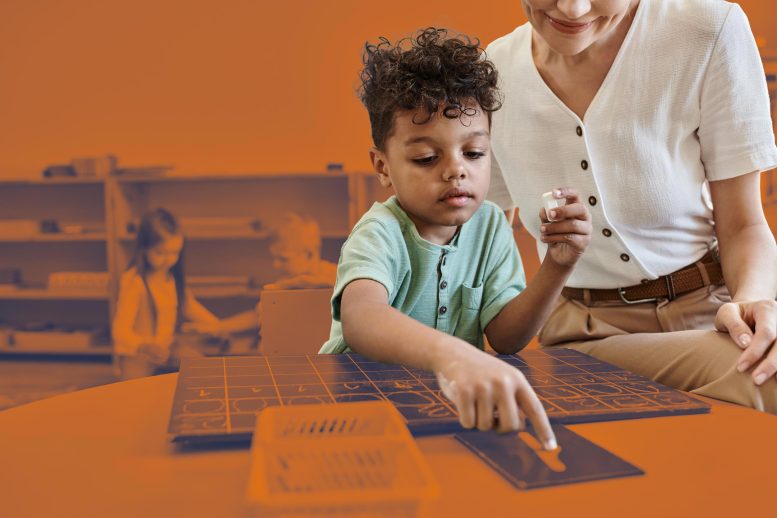
Expert perspectives and educational impact
“These findings affirm what Maria Montessori believed over a century ago—that when we trust children to learn with purpose and curiosity, they thrive,” said Angeline Lillard, Commonwealth Professor of Psychology at the University of Virginia. “Public Montessori programs are not only effective but cost-efficient.”
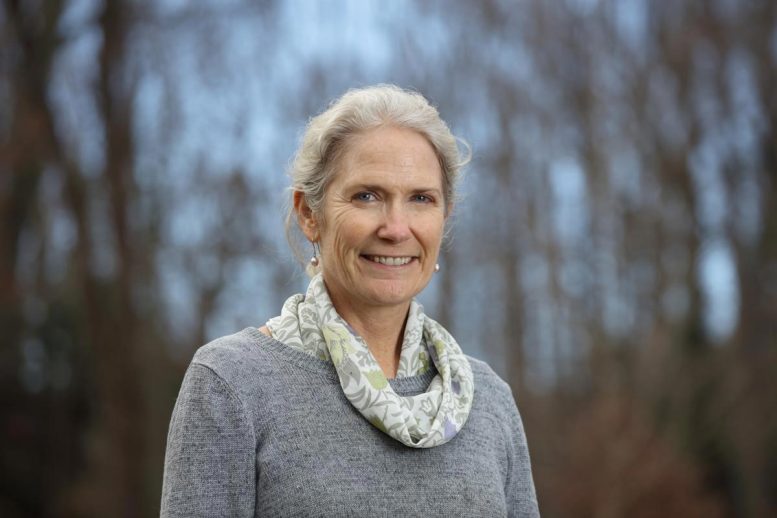
“Montessori preschool programs are already being used in hundreds of U.S. public schools, and our research shows that they are having a positive impact in key areas of early learning,” said Karen Manship, coauthor and Managing Director at the American Institutes for Research. “These findings provide valuable evidence to policymakers and educational leaders who are seeking to deliver better outcomes with increasingly limited resources.”
“Montessori began in the low-income housing of early 20th-century Rome,” noted David Loeb of the University of Pennsylvania. “This research shows it still delivers on that promise for America’s children today.”
Key Findings
- Stronger early learning: Montessori children scored significantly higher in reading, memory, executive function, and understanding others’ perspectives by the end of kindergarten.
Sustained benefits: Unlike many preschool programs where gains fade, Montessori students’ relative outcomes improved over time. - Cost savings: When compared to traditional public preschool, Public Montessori programs cost $13,000 less per child across the three years from ages 3–6, due primarily to more efficient class structures, including harnessing the benefits of children teaching each other across age groups.
- Teacher morale and retention: In practice, those cost savings are likely even higher due to prior prevailing evidence that Montessori teachers experience higher job satisfaction and lower turnover.
- Benefits for all children: Effects were strongest among children from lower-income families, although children of all backgrounds benefited. These and other findings are a helpful reminder that Montessori was originally designed to reach low-income communities.
Montessori’s lasting legacy in modern education
Dr. Maria Montessori opened her first classroom in 1907 in the working-class tenements of Rome, and pioneered an educational model rooted in children’s natural drive to learn. Today, more than 600 U.S. public schools offer Montessori education. This national study affirms that Montessori’s century-old model is a highly effective approach to early education—delivering enduring benefits for children and communities alike.
The research also appears highly actionable for policymakers, because the results found the Montessori programs delivered better outcomes at sharply lower costs, and studies have demonstrated improved teacher morale and retention for Montessori programs.
Reference: “A national randomized controlled trial of the impact of public Montessori preschool at the end of kindergarten” by Angeline S. Lillard, David Loeb, Juliette Berg, Maya Escueta, Karen Manship, Alison Hauser and Emily D. Daggett, 20 October 2025, Proceedings of the National Academy of Sciences.
DOI: 10.1073/pnas.2506130122
Never miss a breakthrough: Join the SciTechDaily newsletter.
Follow us on Google and Google News.
link